Habitat, diet, seasonal behaviour, and fishing tactics for every major species in the greater Montreal area.
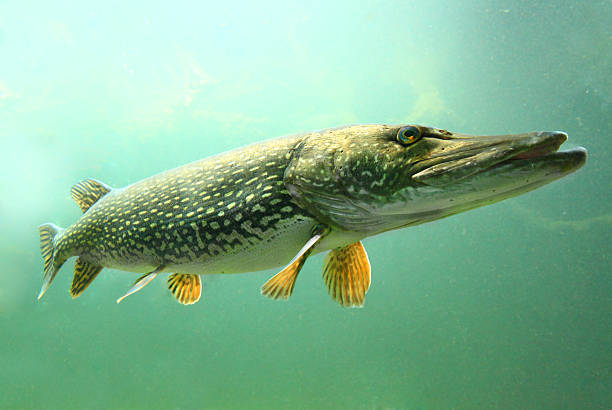
Esox lucius
The northern pike is Montreal's apex freshwater predator. Aggressive, territorial, and capable of stunning runs, a big pike on light tackle is an experience you won't forget.
| Average Size (Montreal) | 60–90 cm, 2–6 kg |
| Quebec Record | 19.1 kg (Lac Kipawa, 1991) |
| Habitat | Weed edges, bays, drop-offs |
| Peak Season | Post ice-out (April–June) & Fall |
| Best Baits | Large spinnerbaits, Rapalas, swimbaits, live suckers |
| Top Local Spots | Mille-Îles, Lac Saint-Louis, Rivière Richelieu |
| Regulations | Minimum 75 cm (St. Lawrence); check MFFP annually |
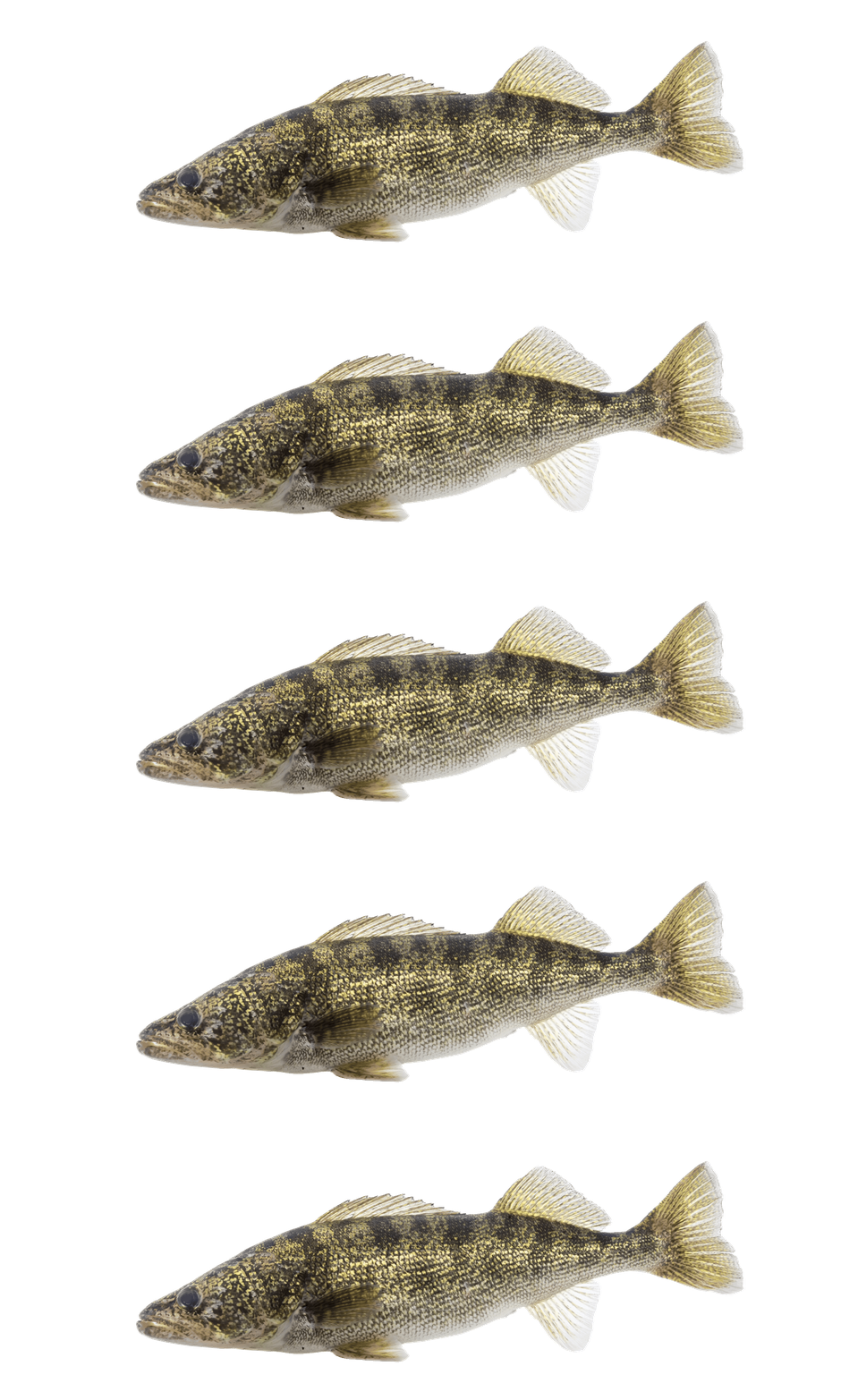
Sander vitreus
Quebec's most sought-after table fish. The walleye's milky, reflective eye is adapted for low-light conditions, making them most active at dawn, dusk, and after dark. Understanding light is the key to catching walleye consistently.
| Average Size (Montreal) | 40–65 cm, 1–3 kg |
| Quebec Record | 9.5 kg (Lac Gouin, 1978) |
| Habitat | Rocky shoals, river channels, open basins 15–35 ft |
| Peak Season | Spring spawning run (April) & Fall cooling (Sept–Oct) |
| Best Baits | Jigs with soft plastics, live minnows, blade baits |
| Top Local Spots | St. Lawrence River, Lac Saint-François, Mille-Îles |
| Regulations | 6-fish possession limit (St. Lawrence zone); verify annually |
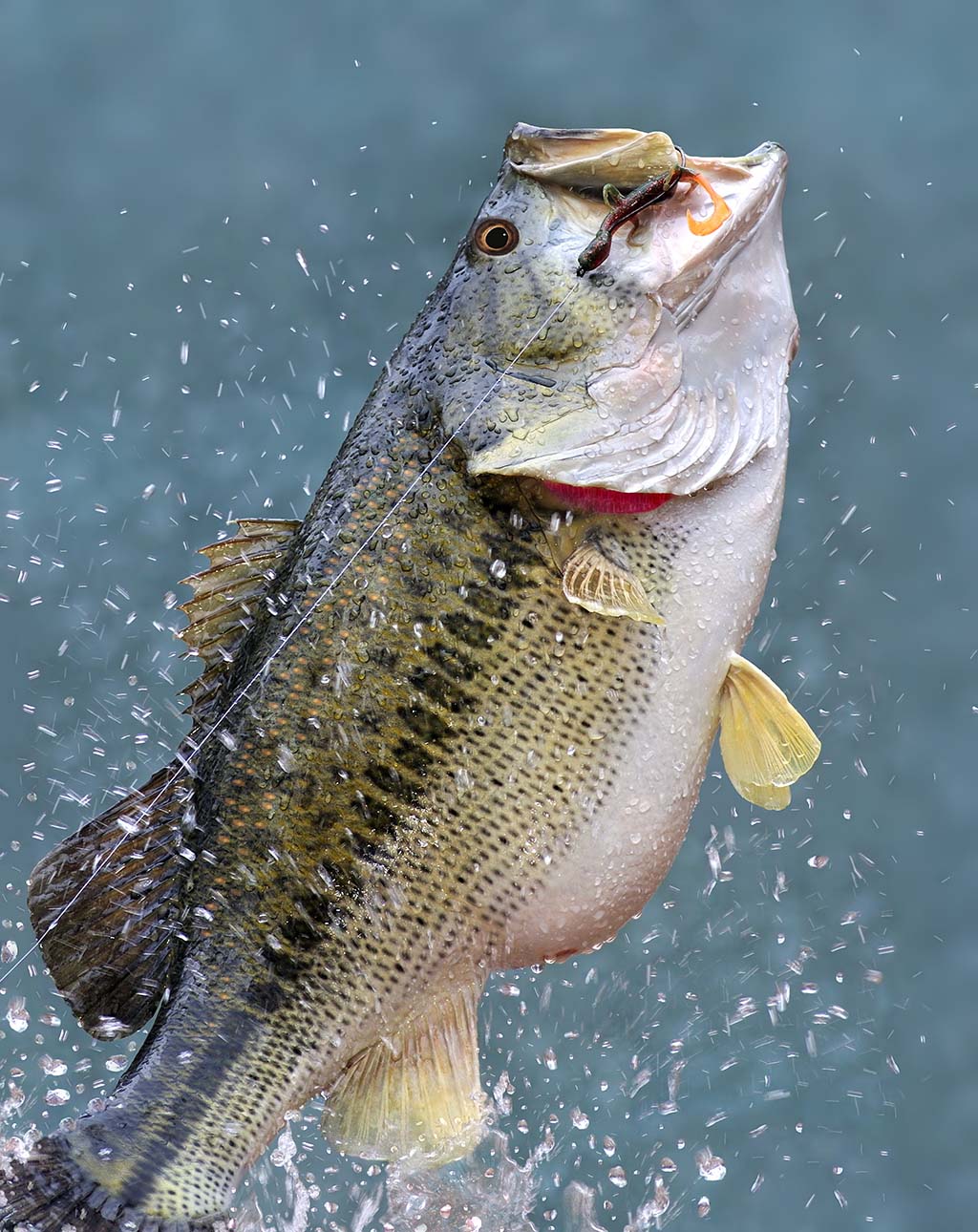
Micropterus salmoides
The largemouth bass is the bread-and-butter species of Lac Saint-Louis. Aggressive, accessible from shore or kayak, and available from late spring through fall, they're the ideal target for urban anglers.
| Average Size (Montreal) | 30–50 cm, 0.5–2.5 kg |
| Quebec Record | 4.2 kg (Lac des Deux Montagnes) |
| Habitat | Lily pads, docks, submerged wood, weed edges |
| Peak Season | June–September |
| Best Baits | Texas-rigged soft plastics, topwater frogs, spinnerbaits |
| Top Local Spots | Lac Saint-Louis, Lac des Deux Montagnes |
| Regulations | Catch & release recommended June 15–July 15 (spawning) |
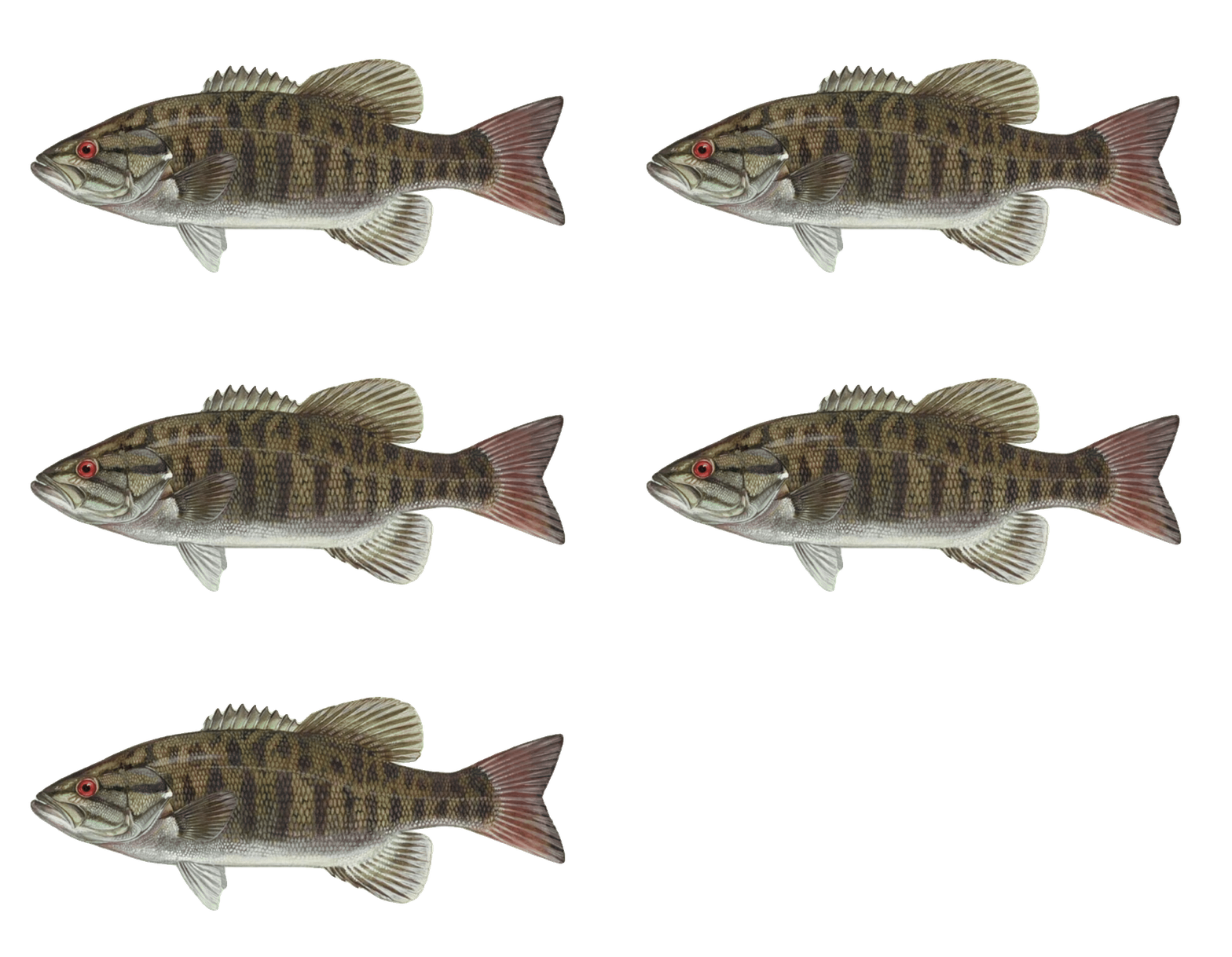
Pound-for-pound the hardest fighting fish in Montreal waters. Found in rocky shorelines and river current seams throughout the region.
| Size | 30–50 cm, up to 2.5 kg |
| Habitat | Rocky shorelines, river rapids |
| Best Bait | Tubes, drop-shot, crayfish imitations |
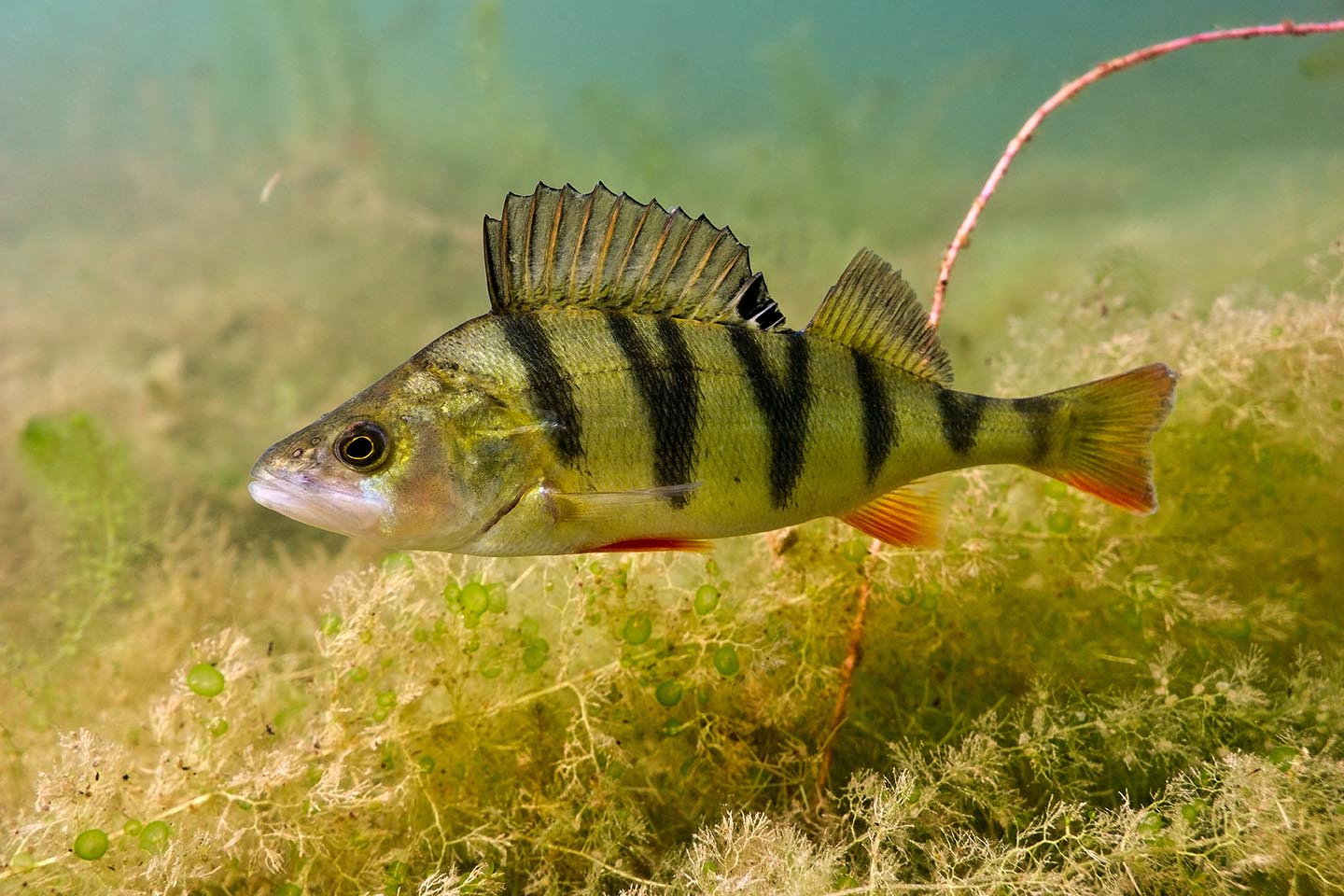
The most underrated fish in Montreal. Canal de Lachine holds huge populations and they're active all year, including through the ice in winter.
| Size | 20–35 cm, up to 500g |
| Habitat | Urban canals, shallow bays |
| Best Bait | Small jigs, worms, maggots |
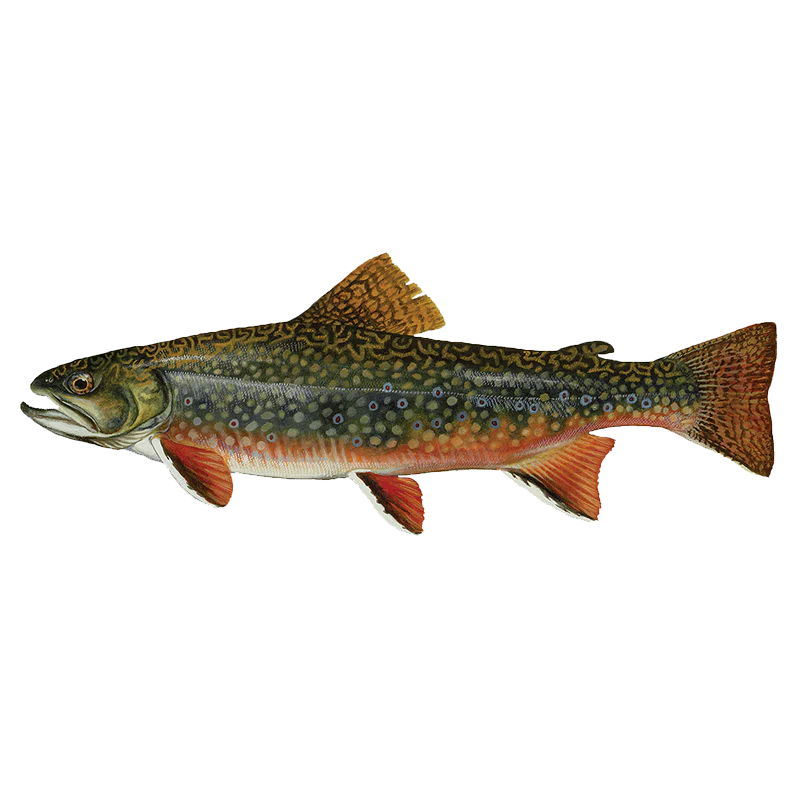
Found in cold, clear streams in the Laurentians north of Montreal. A day trip for brookies is one of Quebec's great outdoor experiences.
| Size | 20–45 cm, up to 1.5 kg |
| Habitat | Cold mountain streams, spring-fed lakes |
| Best Bait | Small spinners, dry flies, worms |
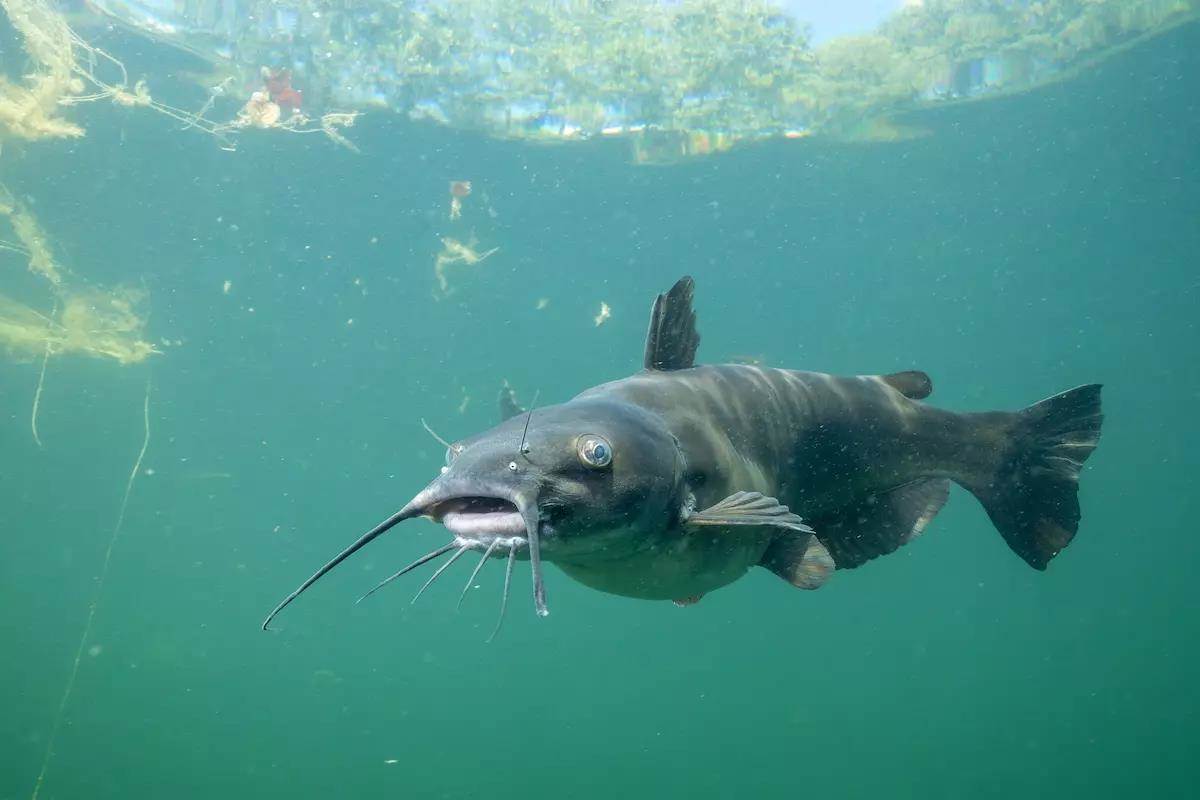
The night bite specialist. Channel cats prowl the St. Lawrence bottom after dark and can grow to impressive sizes in Montreal's urban waterways.
| Size | 40–80 cm, up to 10 kg |
| Habitat | Deep river channels, lake bottoms |
| Best Bait | Cut bait, stink bait, chicken liver |
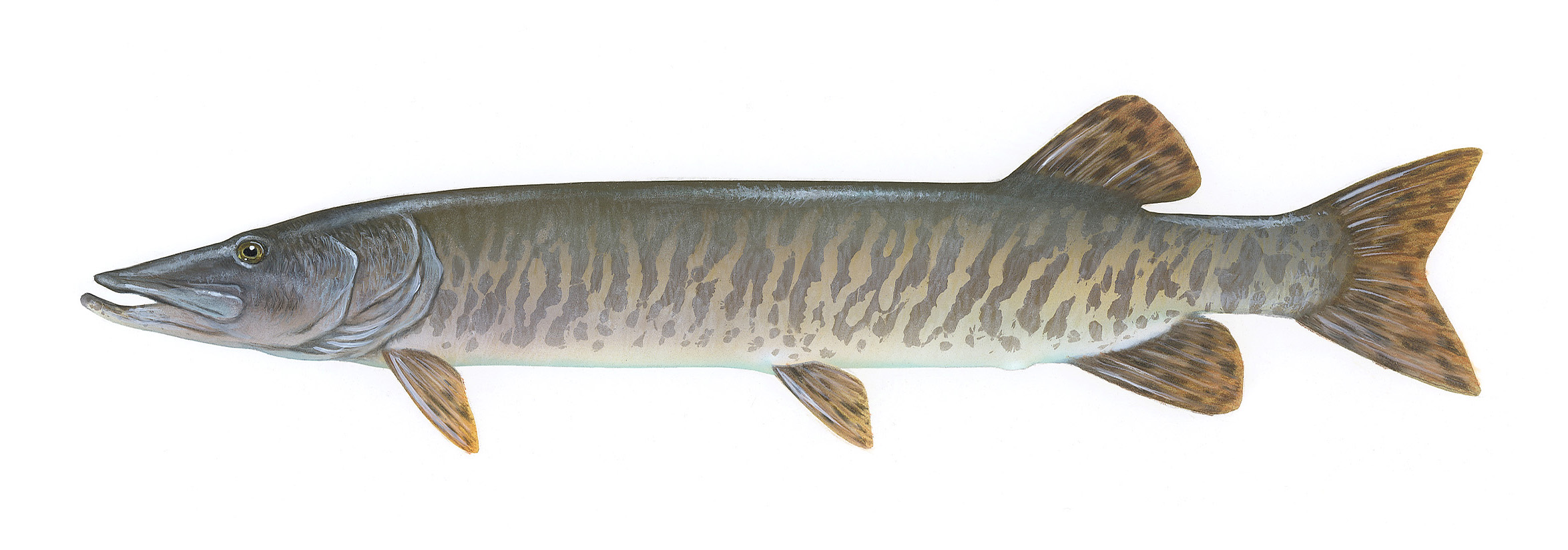
The fish of 10,000 casts. Quebec holds some of the best muskie water in the world, including the St. Lawrence and Lac Saint-François.
| Size | 90–130 cm, up to 20 kg |
| Habitat | Weed edges, rocky points, open water |
| Best Bait | Large glide baits, bucktails, live suckers |