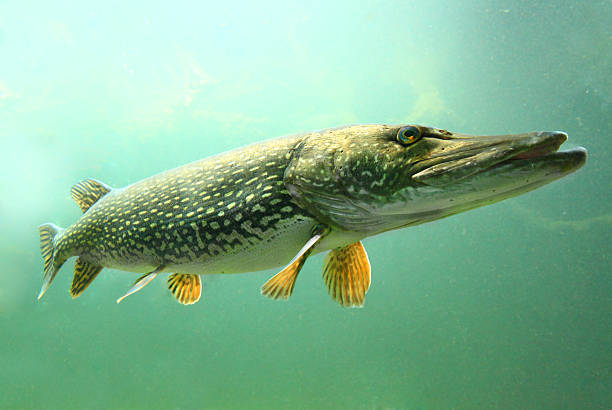
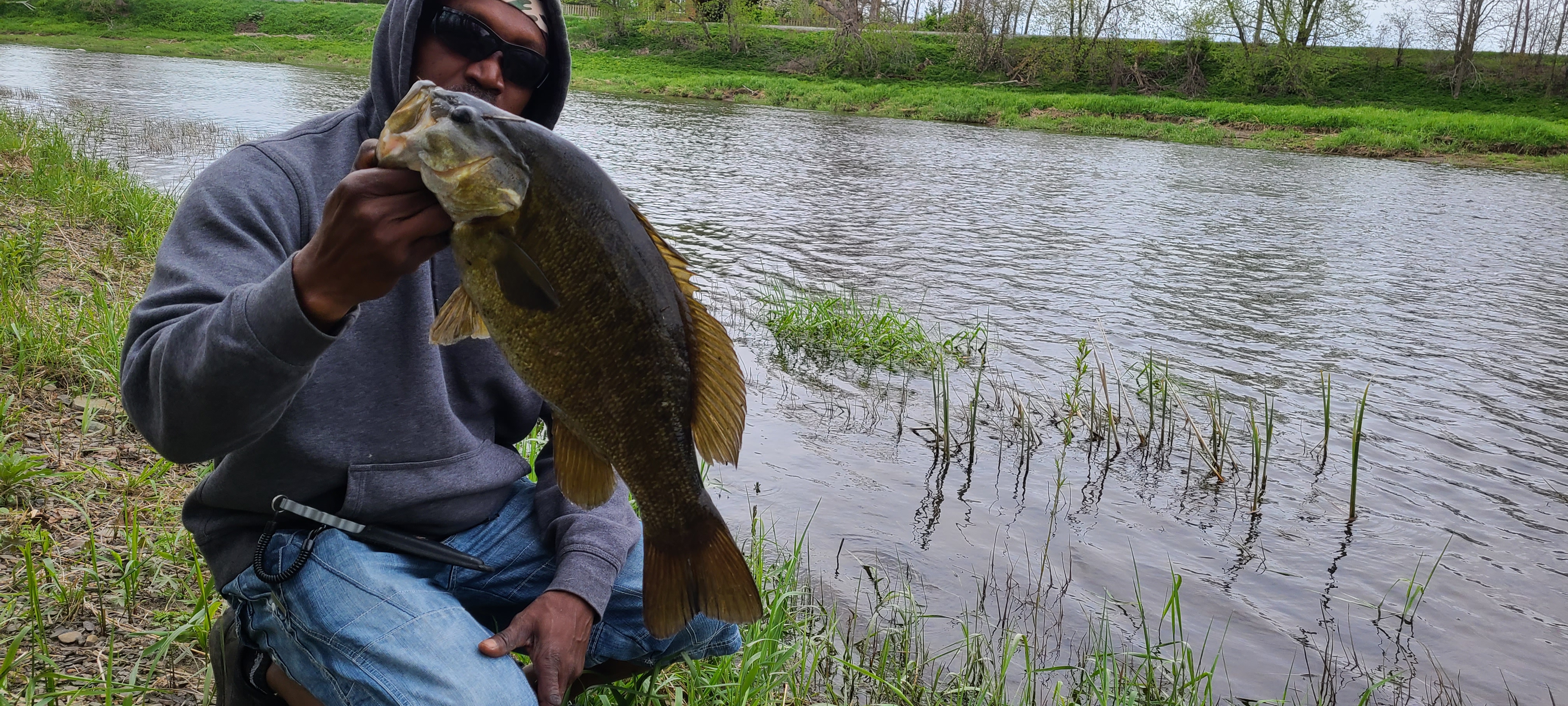
Lac Saint-Louis sits fifteen minutes from downtown Montreal, but most anglers driving out to it are in powerboats headed for open water. That's good news for kayakers. The lake's maximum depth is around fifteen feet, the fish stay shallow all season, and the shoreline bays and weed edges that hold the most bass and pike are exactly the kind of water a kayak was built for.
The lake is technically a widening of the St. Lawrence, fed by the Ottawa River and a handful of smaller waterways. Pike and bass don't care much about that geography, but you should: current, water clarity, and weed growth all shift depending on where you are on the lake. The north shore along the West Island behaves differently than the south shore toward Châteauguay, and the productive water near Lachine reads differently again.
Here's where to get in, and what you'll find when you do.
Parc René-Lévesque, Lachine
This is the least-advertised put-in on the Montreal side of the lake. The park sits on a long peninsula jutting into the St. Lawrence right where it opens into Lac Saint-Louis. There's a boat ramp off Chemin du Canal, no fee for non-motorized craft, and parking in the adjacent Parc René-Lévesque lot. Be aware that the ramp access from the parking lot requires carrying your kayak about 700 metres to reach the Parc Riverain launch point, so pack light.
Once on the water, work the weed edges along the peninsula's south side. Pike hold tight to the emergent vegetation in spring and don't move far from it through summer. Bass scatter along the rocky points once water temperatures climb. Spinnerbaits and weedless frogs account for a lot of fish here; the cover gets thick enough by July that you'll lose gear on standard hooks.
Pine Beach Park, Dorval
Dorval residents get a low-profile kayak wharf at Pine Beach Park, at the corner of chemin du Bord-du-Lac and Saint-Louis Avenue. Non-residents can still launch from the shoreline at the park itself. It's worth the minor inconvenience because Baie Dorval is consistently one of the better smallmouth and pike bays on the lake's north shore. The bay offers protected water when westerlies kick up, which they will.
Fish the dock edges and rocky drop-offs on the bay's east side for smallmouth. They're not subtle about it: if you're in the right spot in June or July and throwing a topwater at first light, you'll know within five casts. Pike tend to sit in the scattered weed patches along the shallower inner bay.
Baie de Valois, Pointe-Claire
The Pointe-Claire Canoe Kayak Club operates out of Baie-de-Valois Nautical Centre at 90 chemin du Bord-du-Lac, and while the club is membership-based, the bay itself is public water. You can launch from the small public shore access just west of the club. The bay's protected shape means calmer water than the open lake, and the weed beds inside it get productive for largemouth earlier in the season than most spots on the lake.
Largemouth aren't the first species that comes to mind on Lac Saint-Louis, but Baie de Valois has them in numbers, holding in the lily pad edges and dock pilings along the inner bay. Slow-roll a swimbait or pitch a weedless tube along the pads and you'll find them. Pike show up here too, especially in May before the weed growth gets too dense.
Around Île Dowker
Île Dowker sits in the middle of the lake southeast of Dorval Island, and the bays and channels around it are some of the most consistently productive water on Lac Saint-Louis for both smallmouth and pike. The bay between Île Dowker and the Beaconsfield shoreline (Baie de l'Île Dowker) is shallow, weedy, and sees far less boat pressure than the main lake. Anglers report regular catches of smallmouth, pike, and walleye from this area.
Getting there from Dorval's Pine Beach launch is a straightforward paddle, maybe twenty to thirty minutes depending on conditions. Check the wind before you commit: the open crossing from the north shore to the island can get rough quickly when a southwest wind builds in the afternoon. Go early, come back before noon.
A Practical Note on Access
The West Island shoreline is mostly private residential property. Don't count on finding casual beach launches between parks. The four spots above are the reliable public options on the north side of the lake. If you want to explore the south shore around Châteauguay, there's public ramp access off boulevard D'Youville, but that side of the lake requires a longer open-water crossing from any of the Montreal-side launches and should be left for calm mornings.
Check Québec fishing regulations before you go. Bass season on Lac Saint-Louis typically opens in late June, and size and slot limits apply. Pike season runs longer, but always confirm current rules at québec.ca before the first trip of the year.
The lake rewards early starts and patience with reading water. The anglers hammering big pike in May are usually in the backs of the same bays where everyone else is just paddling through.
20+ years fishing Quebec's freshwater systems. Kayak angler, catch-and-release advocate, and founder of Sub Urban Anglers.
Read More About Me