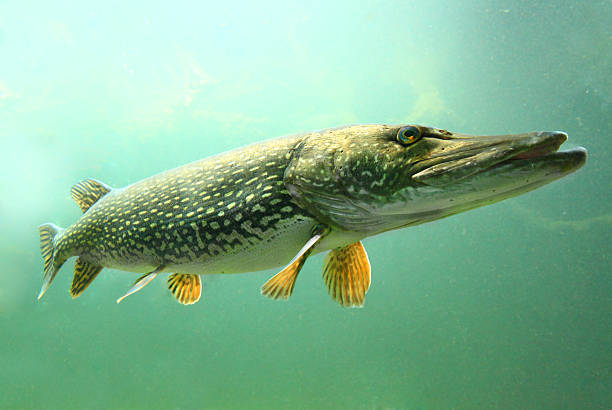
Most anglers who struggle to find walleye consistently are solving the wrong problem. They focus on lure choice, presentation, retrieval speed. Those things matter, but they matter a lot less than being in the right place at the right time. A perfectly presented jig in empty water catches nothing.
Walleye location isn't random. Three factors drive almost every positioning decision a walleye makes: structure gives them a place to hold and ambush prey, light tells them when it's safe and advantageous to feed, and water temperature drives their seasonal movement. Get those three things working for you and the fishing becomes far more consistent.
Why Walleye Are Where They Are
Walleye are ambush predators. They don't chase baitfish across open water the way a pike might. They find a position that gives them a tactical advantage: cover to hide in, a current break that funnels prey to them, a depth where the light is in their favour. Then they wait.
That hunting strategy explains most of their location choices. A rocky point at the edge of a drop-off isn't just random structure. It's a corner where baitfish moving along the shoreline get funnelled into a tighter area, with deeper water immediately adjacent so the walleye can sit in the dark and move up to feed when conditions are right.
Find the structure that creates that kind of ambush opportunity, add in the right light conditions and time of day, and you've found walleye.
The Eye: Why Light Runs the Whole Show
The single most useful piece of biology for a walleye angler is understanding the tapetum lucidum. It's the reflective layer behind the retina that makes walleye eyes glow white in photographs and gives the fish its name. More practically, it's the reason walleye behave the way they do.
The tapetum works like a biological mirror. When light enters the eye, some of it gets absorbed by the photoreceptors on the first pass. Whatever isn't absorbed hits the tapetum and bounces back through the retina, giving the photoreceptors a second chance to capture it. The result is dramatically enhanced vision in low-light conditions.
The predatory edge this creates is significant. Walleye's primary prey, perch and other smaller fish, don't have this adaptation. In dim light, a walleye can see clearly while its prey is effectively hunting blind. That asymmetry is when walleye feed most aggressively and most efficiently.
The flip side is that the same adaptation makes walleye uncomfortable in bright sunlight. What works as an advantage at dusk becomes a liability at noon on a clear day. Bright light is essentially painful for them, which is why on sunny summer days walleye push deep, bury in thick weeds, or tuck tight to shaded structure. They're not being difficult. They're avoiding something that genuinely bothers them.
"This one piece of biology explains the dawn bite, the dusk bite, the night fishing productivity, why overcast days fish better than sunny ones, and why walleye in clear lakes are harder to catch than walleye in stained water. It all comes back to light."
Deep Water Structure: What to Look For on the Map
Before you ever put a boat in the water on an unfamiliar lake, spend time with a contour map or a mapping app. Walleye positioning makes a lot more sense when you can see the shape of the bottom.
Drop-offs are the most reliable walleye producers on any lake. A drop-off is a transition zone where shallow water falls away to deeper water, and it's where walleye spend most of their lives. In shallow water, they're exposed and uncomfortable in daylight. In the deep basin, there's often no structure to relate to and no baitfish concentration. The drop-off is the edge between the two worlds, and walleye use it the same way a deer uses a field edge: they hold in the security of the deep side and move up to the shallower side to feed when conditions favour them.
Not all drop-offs are equal. A featureless slope from 10 to 30 feet is less interesting than a drop-off that features a rocky point, a saddle, or a change in bottom composition. Look for spots where the contour lines bunch together tightly, indicating a steep drop, and where some additional element breaks up the uniformity.
Underwater humps and saddles are the other structure worth prioritising. A hump is a rise in the lake bottom that tops out shallower than the surrounding water. Saddles are the low points between two humps. Both concentrate fish because they create depth variation in open water, away from shore. Walleye use mid-lake humps heavily in summer when they've moved off the shoreline structure. They're harder to find without electronics but worth the effort when you locate them.
Creek channels and flooded roadbeds, common on reservoirs, function as highways that walleye follow during seasonal movements. The channel itself provides a depth reference and a current path, and any bend, junction, or irregularity along it is worth marking.
Rocky structure deserves specific mention. Walleye have a strong preference for hard bottoms. Rock and gravel hold warmth, attract crayfish and perch, and provide the broken terrain that gives an ambush predator options. A sand flat might hold walleye but a rock pile will hold more of them more reliably.
River Structure: Current Seams, Holes, and Wing Dams
River walleye fishing rewards anglers who understand moving water. The principles are similar to lake fishing in that walleye want to be near structure and in positions that give them a feeding advantage, but current adds another variable. Walleye in rivers hold where they don't have to fight the flow, positioned where the current delivers prey to them.
Current seams are the most productive river feature. A current seam is where fast-moving water meets slower water, and it creates a natural conveyor belt of food. Baitfish and invertebrates swept along by the current get caught at the seam and pile up. Walleye sit on the slow side and pick them off. These seams form around any obstruction: points, islands, boulders, channel bends, bridge pilings. On any river stretch, identifying the current seams tells you where to cast.
Wing dams are a reliable structure in larger rivers. These are rock or concrete structures built perpendicular to the bank to direct current flow and prevent bank erosion. They create a scour hole on the downstream side, a current break on the upstream side, and a seam along the length of the structure. Any one of those zones can hold walleye, and a good wing dam fishes well through multiple seasons.
Deep holes, particularly those below dams or other barriers, concentrate walleye in autumn and winter. As water cools and fish prepare for the slow months, they stack in the deepest available water. A hole that's 8 to 12 feet in a river that averages 4 feet is a significant depth change and walleye recognise it. Anchor off to the side of the hole and work lures through it rather than directly over it.
In rivers, the best approach is to position upstream of the holding water and let the current work for you. A jig drifted naturally through a current seam looks exactly like an injured baitfish being swept along. It doesn't require much technique to be convincing.
The Walleye Chop: Wind, Waves, and Overcast Days
There's a well-known phrase among experienced walleye anglers: walleye chop. It refers to the rough, wind-driven surface conditions that send casual anglers off the water and turn serious walleye fishing on.
The mechanism is straightforward. Wave action breaks up the water surface, scattering and diffusing light before it can penetrate cleanly into the water column. Even in clear lakes, a good chop reduces the light reaching the bottom significantly. That reduction triggers the same feeding response as dawn or dusk: walleye move shallower, become more aggressive, and feed throughout the day rather than just at low-light windows.
On a windy day, pay attention to which shoreline or structure is taking the brunt of the waves. The wind-hit side is where plankton and baitfish concentrate, pushed by surface drift. That baitfish concentration draws walleye up and in, often onto surprisingly shallow flats and reefs that would be completely dead on a calm, sunny afternoon.
Overcast days work through the same mechanism, reducing surface light penetration across the whole lake. An overcast sky on calm water is a good day. An overcast sky with a stiff wind producing a good chop is a great day.
"Calm, clear, sunny conditions are the hardest to fish. On those days, focus on the deep side of structure and adjust your timing to the first and last hours of light."
Timing: Dawn, Dusk, and the Midday Problem
If you can only fish one part of the day for walleye, fish the hour before and after sunset. That's not a generalisation. It's driven by the biology already described, and it's consistent across seasons, lakes, and regions.
As the sun drops and light levels fall, walleye move. Fish that have been sitting on the deep side of a drop-off all afternoon start edging up. The feeding zone shifts from 25 feet to 15 feet to 8 feet over the course of an hour or two. The prey fish that have been holding in weed cover during the day start to scatter as their own visibility advantage evaporates. The walleye know it, and they respond.
Dawn produces a similar window, though it's generally shorter. As light increases after sunrise, walleye feeding activity shuts down more quickly than it builds in the evening. The hour before dawn and the first 30 to 45 minutes of light is the morning window.
Night fishing is underused by most walleye anglers and consistently productive. With the tapetum lucidum giving walleye a major vision advantage over their prey in full darkness, they feed confidently through the night hours. Working lures slowly along familiar structure in the dark catches fish that wouldn't touch a bait during daylight.
The midday problem on sunny summer days is real. Walleye in clear lakes on bright afternoons are about as catchable as they're going to get all day, which is to say not very. The options are: fish deep structure with vertical presentations, target stained or turbid water where light penetration is reduced at any time of day, find a wind-blown shoreline creating enough chop to compensate for the light, or simply wait until evening. None of those is a satisfying answer if you're on the water at 1pm on a July afternoon, but that's the honest reality of the species.
Seasonal Movement: Following the Fish Through the Year
Walleye don't stay in one place year-round. Their position shifts with water temperature, spawning cycles, and the movement of baitfish, and an approach that works in May can be completely wrong in August.
Spring
The most accessible season for walleye fishing. Fish move into shallow water to spawn when water temperatures reach roughly 4 to 10°C, using gravel and rocky shoals near river mouths, points, and tributary outlets. Spawning walleye aren't feeding aggressively but post-spawn fish are, and they're still positioned shallower than they'll be for the rest of the year. The first drop-off, hump, or rocky point outside a spawning area is a reliable starting place.
Summer
Requires the biggest adjustment. As water warms, walleye follow the thermocline, seeking the depth where water temperature is in their preferred range. In many lakes this means mid-lake humps, saddles, and deep structure in the 20 to 35 foot range during midday. The feeding windows compress to early morning and evening. In summer the best fishing of the day can happen in a 90-minute window around sunset, and it can happen fast. Be in position before the light goes.
Fall
Arguably the most productive season, and it's underrated. Water temperatures cool, walleye begin feeding aggressively ahead of winter, and fish start moving back toward the shallower structure they used in spring. Rocky points, gravel bars, and weed edges near drop-offs produce well. The feeding windows extend as days shorten, and overcast fall weather creates all-day opportunities that summer rarely provides.
Winter
Open water concentrates walleye in the deepest basin areas of a lake. Ice anglers target them over structure at depth with jigging presentations. On flowing water, deep holes below dams and the slow, deep sections of river bends hold fish through the cold months.
The consistent thread across all seasons is that walleye move along depth contours rather than across them. They don't cross open, featureless bottom to get from one piece of structure to another. They follow the edges. On a map, trace the continuous drop-off or weed edge that connects your known spots and you'll find the routes walleye use to move between them.
20+ years fishing Quebec's freshwater systems. Kayak angler, catch-and-release advocate, and founder of Sub Urban Anglers.
Read More About Me