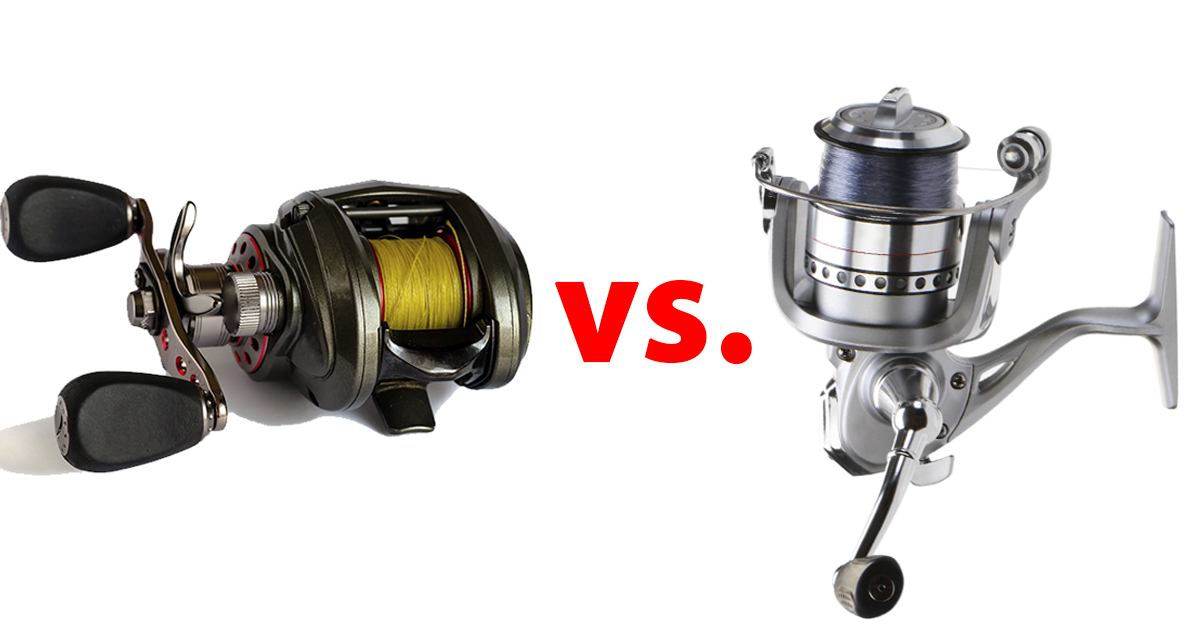
Walk into any tackle shop in Montreal and you'll see the same three names on the spinning reel wall: Shimano, Daiwa, and Penn. Between them they account for the majority of reels sold in Quebec, and for good reason. All three are capable products. The question is which one is the right fit for the fishing you're actually doing.
This isn't a lab test. It's a practical breakdown based on how these reels perform on Lac Saint-Louis in May, on the Mille-Îles in the fall, and in the Lachine Canal on a Tuesday evening. Here's what actually matters.
Shimano: Japanese Precision, Premium Smoothness
Shimano is a Japanese company that makes bicycle components, motorcycle parts, and fishing tackle. Their engineering standards carry across product lines, and it shows in the feel of their reels. A Shimano Stradic opened fresh from the box is noticeably smooth, a quality that comes from their cold-forged aluminum gearing and bearing precision.
The Shimano line for Quebec freshwater breaks down roughly like this. Entry-level is the Sienna and Sedona (under $80 CAD). Mid-range is the Sahara and Stradic C ($100–$250). Premium is the Stradic FL and Vanquish ($250–$600+). For most freshwater applications, the Stradic FL is where the brand's quality becomes clearly worth the price: it's lighter than most reels in its class, the Hagane gearing is durable, and the drag is consistent enough that it won't cost you fish.
Shimano's weakness is price. At equivalent quality levels, Shimano costs more than Daiwa. For the budget-conscious angler who wants Japanese engineering without the premium, Daiwa often delivers similar performance for less money. The other issue is parts availability in Canada. Shimano is widely distributed but repair parts for mid-range models can take time to source compared to the US market.
Cold-water performance: excellent. Shimano reels run smoothly in spring conditions. The drag systems maintain consistent pressure even when cold water tightens the washers.
"The Shimano Stradic FL is the reel that serious Quebec freshwater anglers keep coming back to, regardless of what they've tried in between."
Daiwa: The Better Value Japanese Alternative
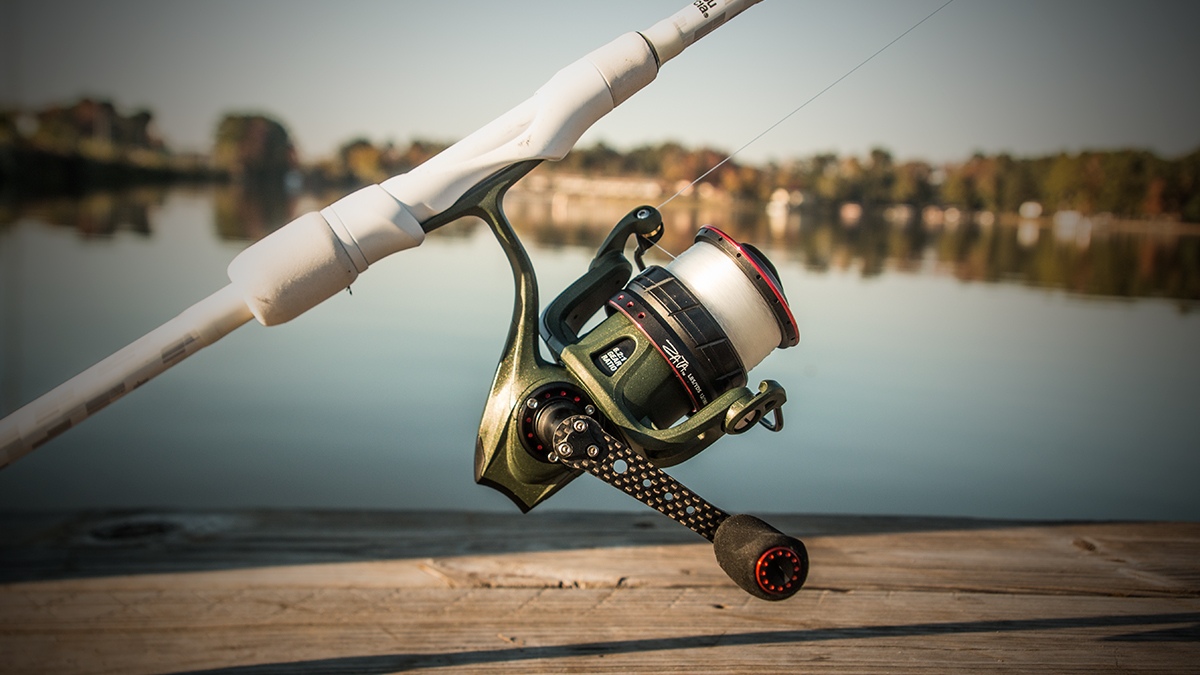
Daiwa is Shimano's closest rival, also Japanese, and the comparison between the two brands is the most common conversation in tackle shops across Quebec. The honest answer is that Daiwa often gives you more reel for the money, particularly in the mid-range tier.
The Daiwa BG is the most relevant model for Quebec pike and muskie fishing. It's a heavy-duty spinning reel built around an aluminum frame and side cover, an Air Rotor design that reduces weight without sacrificing strength, and a smooth drag system that handles heavy braid well. Originally designed for saltwater, the BG's build quality makes it excellent for the aggressive, powerful fish, pike over 90 cm, muskie, that push tackle hard. At $130–$180 CAD for the 4000–5000 sizes, it's hard to beat.
For finesse fishing, walleye jigging, trout, perch, the Daiwa Fuego and Revros are competitive with Shimano's Sahara at the same price. The Fuego has a slightly livelier feel than the Sahara, with a lighter rotor and more sensitive rod transmission. Some walleye anglers prefer it specifically for this reason.
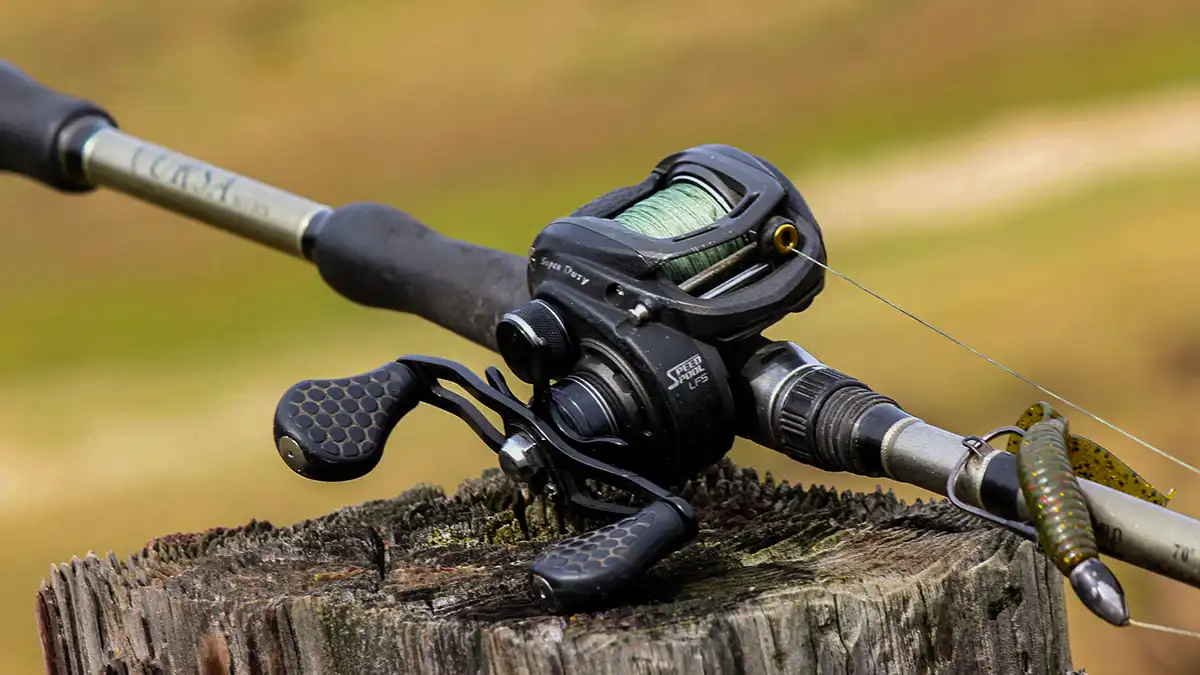
Daiwa's Tatula CT baitcasting reel deserves a mention for bass anglers. It's a well-regarded mid-range casting reel at around $160–$220 CAD that competes directly with Shimano's Curado DC and, in the opinion of many users, matches it on feel and durability for less money.
Cold-water performance: excellent, on par with Shimano. Daiwa has invested significantly in their drag systems and the results are consistent.
Penn: American Muscle for Heavy Work
Penn is an American brand (owned by Pure Fishing, the same parent company as Abu Garcia, Shakespeare, and others), and its identity is built around saltwater durability. That heritage translates in specific ways to Quebec freshwater fishing, and it doesn't translate at all in others.
Where Penn excels is in the heavy-duty end of the freshwater spectrum. The Penn Battle III and Clash II are built like tanks. The full metal body, sealed drag, and stainless components handle the abuse of repeated pike and muskie fishing in ways that plastic-bodied reels struggle to match over a multi-year lifespan. If you're running 40-50 lb braid for muskie on the St. Lawrence all summer, a Penn Battle 4000 at $120–$150 CAD will outlast comparable reels at the same price.
The area where Penn falls short compared to Shimano and Daiwa is in the finesse tier. Penn doesn't have strong offerings for walleye jigging, light trout fishing, or the sensitivity-demanding presentations that define a lot of Quebec fishing. The feel of a Penn reel at the same price as a Shimano Stradic is noticeably rougher, not unreliable, but less refined. If your fishing is primarily walleye, perch, and trout, Penn is not the right brand.
Cold-water performance: good, with a caveat. Penn's sealed systems work well in cold conditions, but some models feel stiffer when cold than their Japanese competitors. Not a dealbreaker, but worth noting for early May ice-out fishing.
Head to Head: Which Brand for Which Fishing
Walleye Jigging
Winner: Shimano or Daiwa. The Shimano Stradic FL (size 2500–3000) or Daiwa Fuego (size 2500) paired with 10-15 lb braid and a fluoro leader is the go-to setup for most serious Quebec walleye anglers. Penn doesn't have a competitive offering at this application.
Pike and Muskie
Winner: Daiwa BG or Penn Battle III. Both are built for the abuse heavy pike and muskie fishing delivers. The Daiwa BG has a slightly smoother feel; the Penn Battle is marginally more durable under extreme use. Either is a better choice than spending Shimano Stradic money on a reel that will take regular hits.
Largemouth and Smallmouth Bass
Winner: Shimano or Daiwa, depending on presentation. For finesse spinning: Shimano Stradic or Daiwa Fuego. For heavy cover baitcasting: Shimano Curado DC or Daiwa Tatula CT are closely matched, your choice comes down to casting feel preference, and both are worth handling in a store before committing.
Brook Trout and Panfish
Winner: Shimano Sienna or Daiwa Revros. Lightweight, sensitive entry-level reels. For the light line (4-8 lb) and small lures involved, the premium tiers of any brand are unnecessary. The Sienna or Revros at $50–$70 performs the job reliably.
The Bottom Line
If you fish primarily walleye, trout, and panfish: Shimano. The refinement and sensitivity of their mid-range lineup suits finesse presentations better than the competition.
If you fish a mix of species and want the most reel per dollar: Daiwa. The BG for pike duty, the Fuego or Revros for finesse, you get Japanese quality at a slightly lower price than comparable Shimano.
If your fishing is primarily large pike and muskie in heavy conditions and you want a reel that's going to absorb years of abuse: Penn Battle III or Conflict II. Not refined, but genuinely tough.

20+ years fishing Quebec's freshwater systems. Kayak angler, catch-and-release advocate, and founder of Sub Urban Anglers.
Read More About Me